Root Motion Animation: The Secret to Realistic Animation Weight
Learn how root motion animation drives realistic character movement, weight, and timing. A practical guide for animators creating believable animation.
Article by Richard Arroyo & iAnimate Team
Key Takeaways: Root Motion Animation
- Start with root motion first — it sets the rhythm, weight, and flow for the entire character.
- Exaggerate early to find the "music" of the action, then refine curves in the Graph Editor for an organic feel.
- Connect hips to the root with a slight delay or twist to sell weight transfer convincingly.
- Layer the upper body using overlap and counter-animation — avoid moving the chest, neck, and head as one block.
- Push your poses with clear anticipation, impact, and follow-through to make root motion feel truly alive.
Mastering Root Motion Animation: The Core of Believable Shot
As animators, we know that great motion starts from the ground up. Specifically, it starts with the root – the central control that drives your character's overall movement and weight. Getting your root motion animation right is the foundation for everything else, from powerful attacks to subtle idle breaths. When your root isn't working, your entire animation can fall flat, lacking the essential weight and physicality that makes a character feel alive. Let's dive into how to nail this crucial first step.
1. Start with the "Music" of the Root
Think of your character's root as the conductor of an orchestra. It sets the rhythm and timing for the entire body. Before you even touch the limbs, focus solely on the root's translations and rotations.
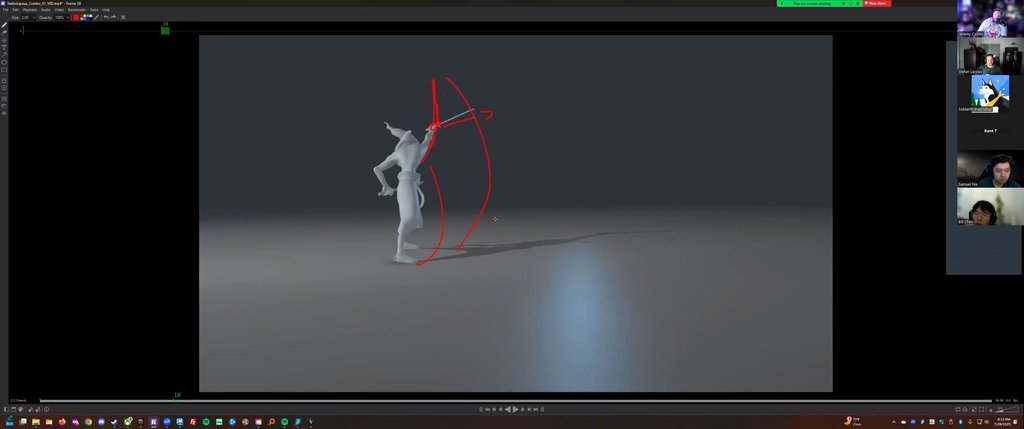
- This means making sure your character's center of gravity is clearly pushing forward or backward, up or down.
- Don't be afraid to exaggerate these initial root movements to find the "music" of the action.
- The goal is to establish the main beats and the overall flow of weight.
- For instance, in a powerful swing, your root should clearly drive the initial anticipation and the subsequent impact.
- Take your skills further and master root motion animation in our hands-on animation workshops.
2. Refine Your Root Curves in the Graph Editor
Once you have the basic "music" down, it's time to refine those curves. The graph editor is your best friend for polishing root motion animation, ensuring smoothness and organic feel.
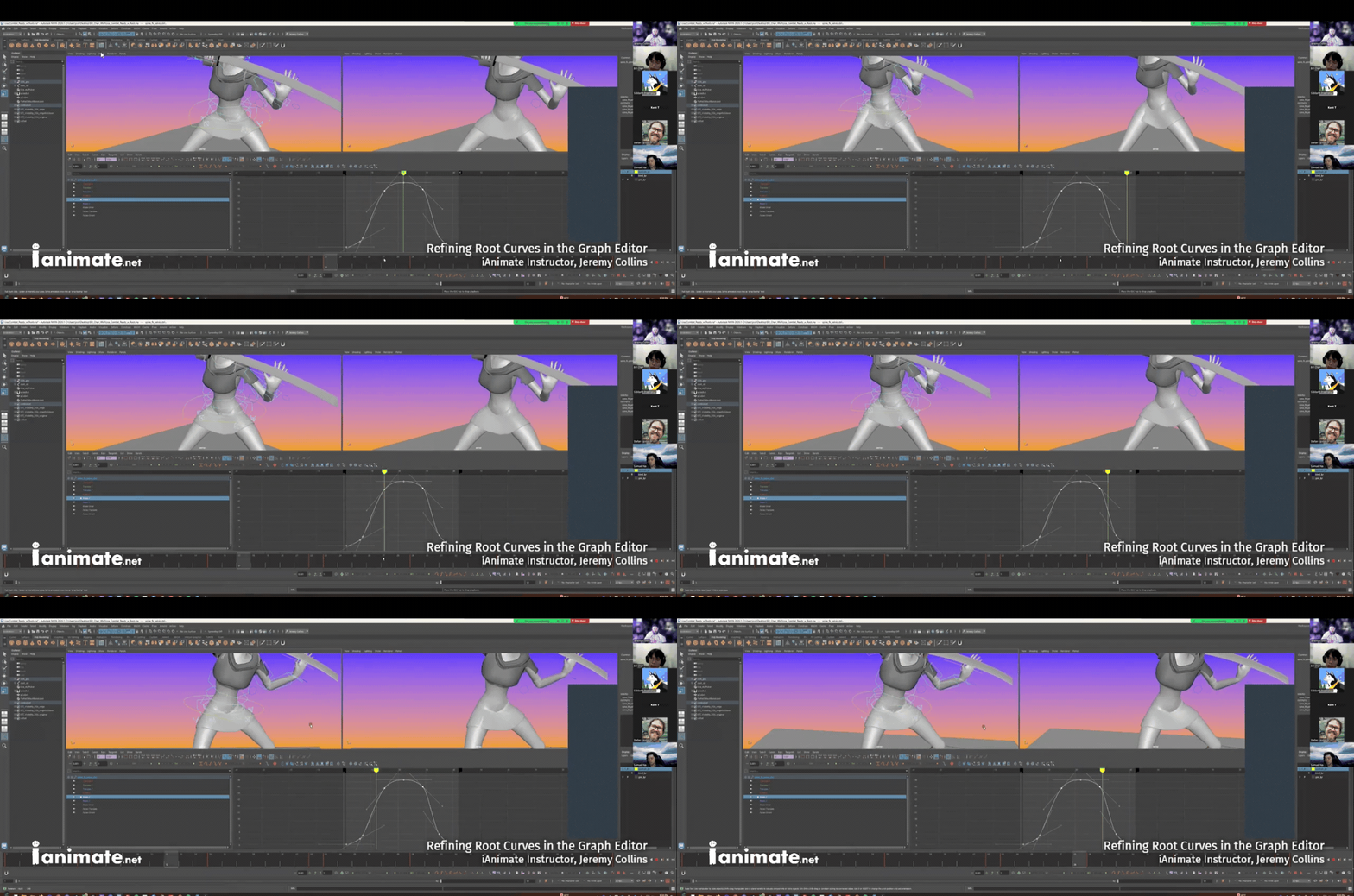
- Look for "plateaus" in your curves that make motion feel stiff or unnatural.
- Soften these plateaus to introduce a more organic flow.
- Use scaling and offsetting techniques to adjust the overall speed and weight of the root.
- If your character feels like they're landing all at once, try offsetting the root's downward movement by a frame or two after the feet land, giving a sense of impact and absorption.
3. Connect the Hips to the Root's Rhythm
After the root, the hips are the next critical layer. The hips work in tandem with the root to convey weight shifts and rotational power.
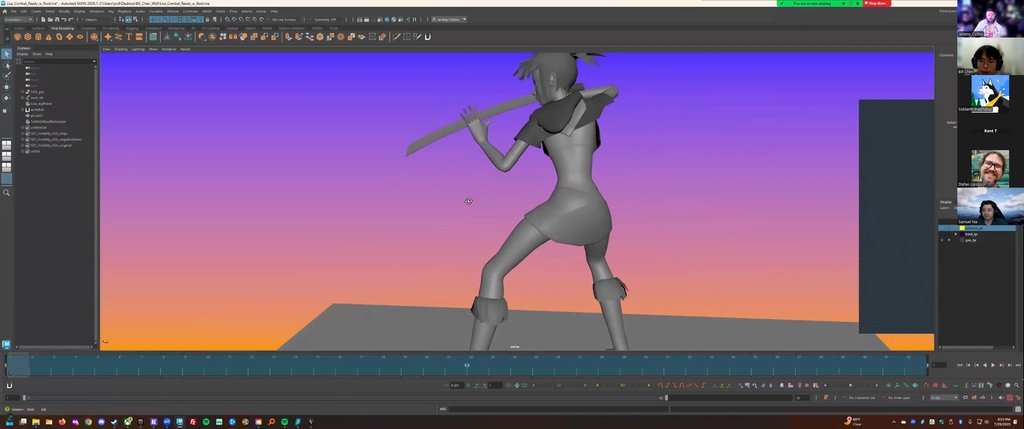
- When the root pushes forward, the hips should follow, but with a slight delay or twist that emphasizes the transfer of weight.
- Introduce subtle hip rotations (translate and rotate) that mirror or counter the root's motion.
This creates a more dynamic and believable weight distribution. - For example, in a swing, as the root rotates, the hips might lead the rotation, with the chest catching up.
Explore more animation techniques in our detailed guides and tutorials.
About iAnimate
iAnimate is a leading online 3D animation school where students learn directly from working industry professionals working at studios such as Pixar, DreamWorks, Disney, and other major studios.
4. Layer the Torso, Neck, and Head with Overlap
With a solid root and hip foundation, you can start layering the upper body. This is where "accordionness" and counter-animation come into play.
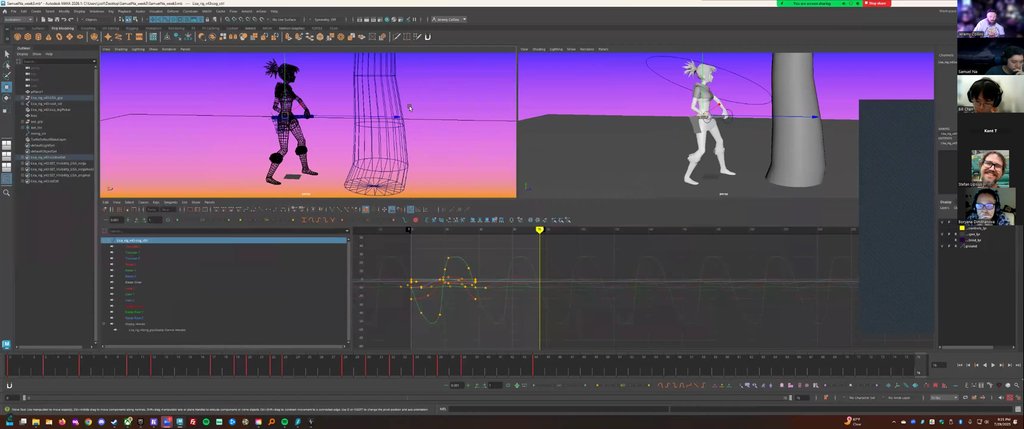
- As the root moves, ensure the chest, neck, and head don't just move as one solid block.
- Introduce overlap: when the root goes down, the chest might continue down slightly before springing up.
- Use "counter-animation" for the head and neck. If the chest moves one way, the head might initially move the opposite way to maintain balance or convey effort.
- Think of it like a chicken's head – it often stays stable even as the body moves around it.
5. Achieving Overall Weight and Appeal
The final goal is an animation that feels like it has genuine weight and visual appeal. This comes from consistently applying layering principles and pushing your poses.
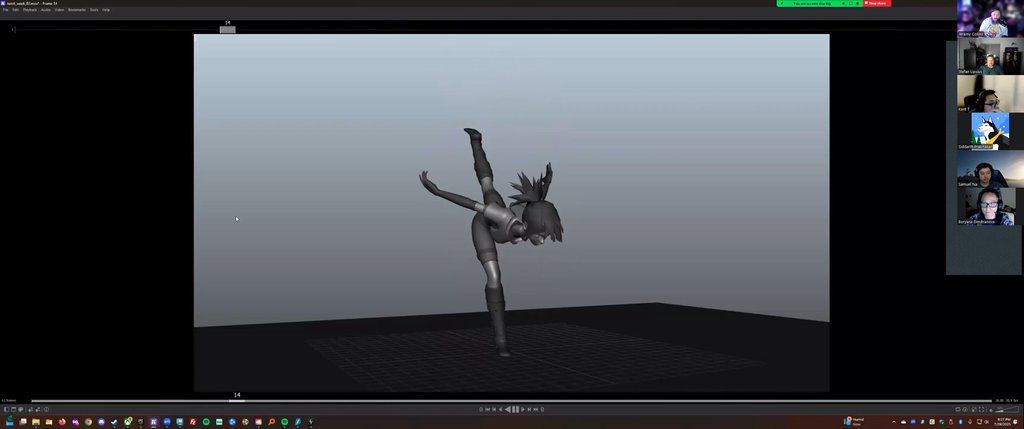
- Review your animation from all angles, ensuring clear lines of action and dynamic poses.
- Make sure extremities like arms and fingers have appropriate "dead weight" or follow-through.
- Don't be afraid to push your poses further to make them more dynamic and expressive.
- A convincing backflip or a powerful axe swing requires clear anticipation, impact, and follow-through, all built on a strong root and layered body mechanics.
Learn from expert instructors and bring your characters to life with realistic movement.
"I gained hands-on experience with industry-standard animation workflows and received direct feedback from top professionals.”
FAQ: Top 5 Root Motion Animation Questions
Q: What is root motion animation?
A: Root motion animation refers to animating the main control (the "root" or "cog") that drives the entire character's position and orientation in 3D space. It's the foundation for your character's weight and movement.
Q: Why is root motion so important for believable animation?
A: It creates the core feeling of weight and physicality. Without proper root motion, characters can look floaty, stiff, or disconnected from the ground, making their actions unbelievable.
Q: How do I know if my root motion animation needs improvement?
A: If your character lacks weight, feels like it's sliding, or if other body parts seem disconnected, your root motion likely needs refinement in its translations, rotations, and timing.
Q: Should I animate the root before other body parts?
A: Yes! It's a key part of the "layered animation" approach. Establish the core root movement first, then layer the hips, torso, arms, and head in response.
Q: What's the best way to practice root motion animation?
A: Start with simple actions like walks, runs, or jumps. Focus on the root's arc, timing, and weight shifts. Then, layer in the rest of the body, paying close attention to overlap and follow-through.
Check out related articles to strengthen your understanding of animation fundamentals.
Join our advanced animation classes to dive deeper into root motion animation and character weight.