Unreal Engine Game Development Workshop Launches at iAnimate
New Unreal Engine Game Development workshop at iAnimate, led by industry professional Matthew Mitchell, teaches animators how to build gameplay systems and real-time character pipelines.
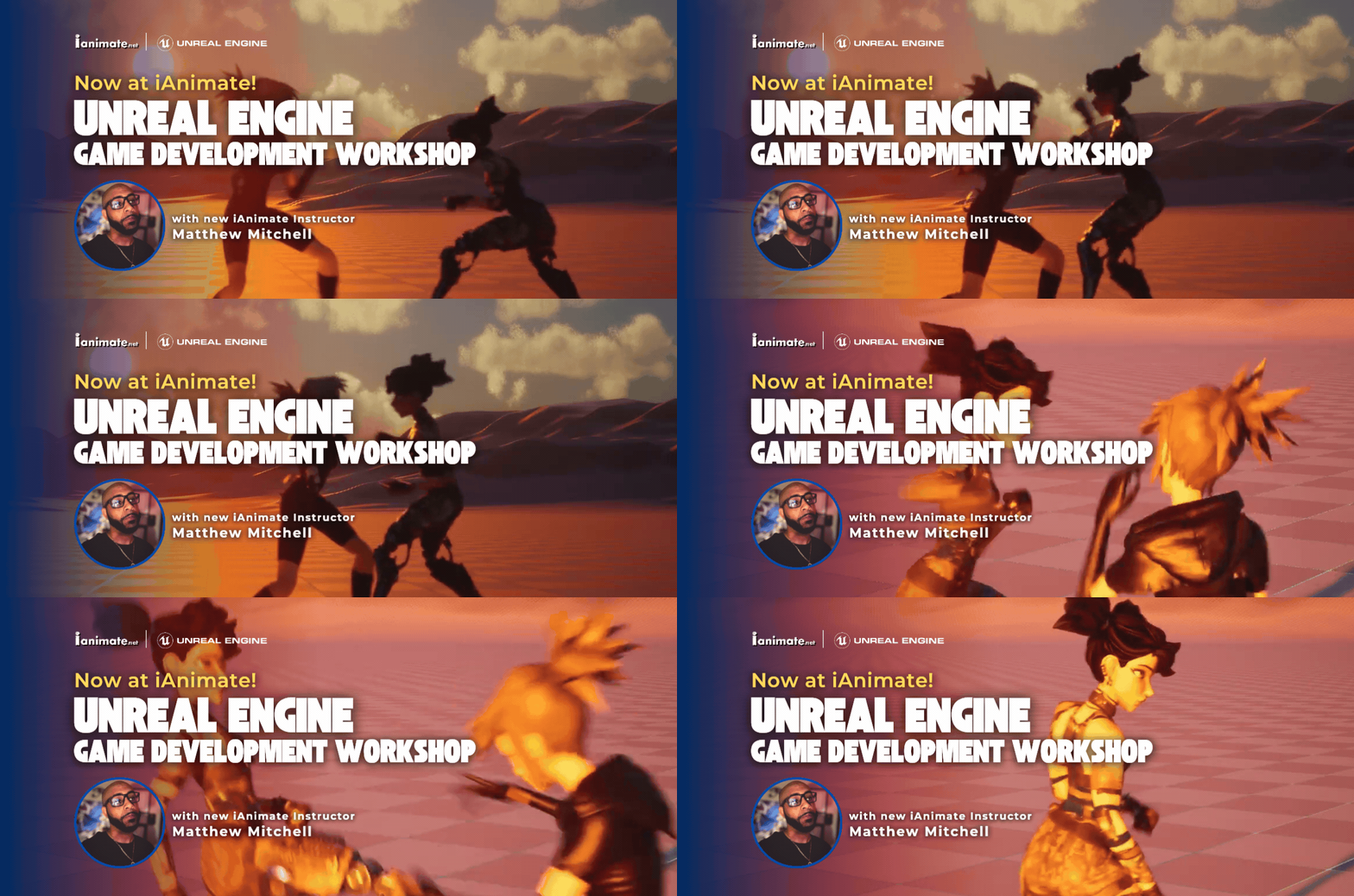
ARIZONA, US — March 6, 2026 — iAnimate, a leading online animation school known for industry-driven training, has announced the launch of its new Unreal Engine Game Development Workshop, designed to help animators and aspiring game developers build real-time gameplay animation systems using Unreal Engine. The workshop is led by industry instructor Matthew Mitchell and focuses on teaching artists how animation integrates with modern gameplay pipelines.
The 11-week online program offers a hands-on approach to Unreal Engine game development, guiding students through the process of importing characters, building animation systems, and integrating gameplay mechanics inside the engine. The next workshop term begins April 6, 2026, with enrollment now open to students worldwide through the iAnimate training platform.
Unreal Engine Game Development Workshop Opens New Career Pathways
As real-time technology continues to reshape animation, film production, and game development, knowledge of Unreal Engine has become a critical skill for modern artists. The new Unreal Engine Game Development Workshop from iAnimate is designed to help animators move beyond traditional animation workflows and understand how gameplay systems drive character performance inside interactive environments.
Throughout the workshop, students learn how to build a production-ready animation pipeline within Unreal Engine. The curriculum covers character import and retargeting, animation blueprint systems, inverse kinematics (IK) rigs, animation montages, and gameplay-driven animation logic. By understanding how animation connects to player input, physics, and game mechanics, students gain the ability to design responsive character systems used in modern video games.
The workshop also emphasizes the importance of technical collaboration between animators, designers, and engineers. In many professional studios, animators must integrate their work directly into game engines rather than relying solely on pre-rendered animation pipelines. By learning these tools in a guided environment, students gain practical experience that mirrors real-world game development workflows.
Training Designed by Industry Professionals
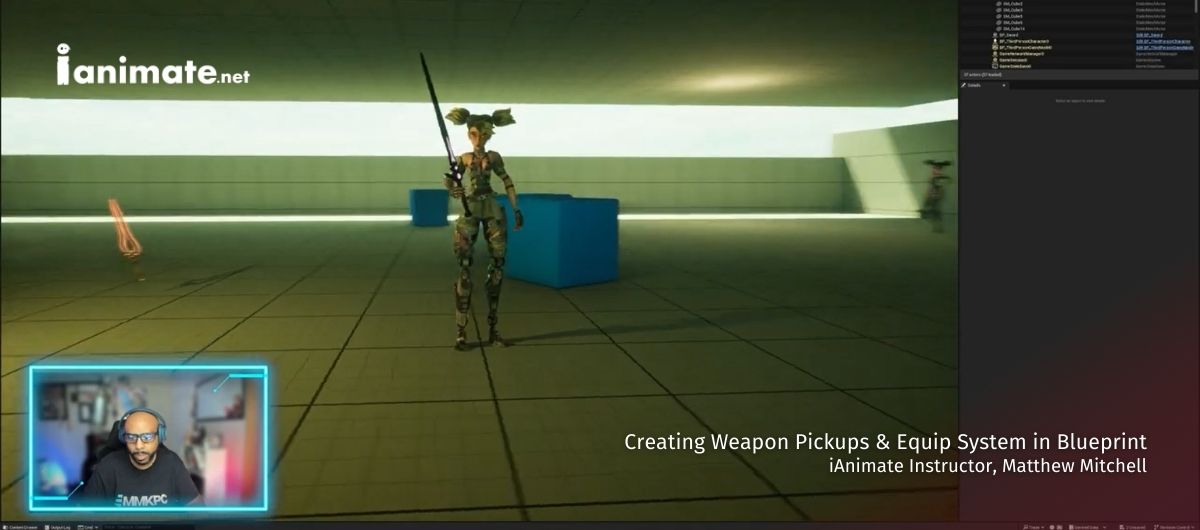
The workshop is taught by Matthew Mitchell, an experienced professional in game animation and interactive development. As an instructor at iAnimate, Mitchell provides live instruction, demonstrations, and mentorship designed to help artists understand both the creative and technical sides of gameplay animation.
Students participate in weekly sessions that combine lectures, demonstrations, and critiques similar to studio “dailies.” These live sessions are supplemented with recorded lessons and additional resources that allow students to continue learning between classes. The program’s format reflects iAnimate’s long-standing teaching philosophy—training artists through direct feedback and real production-style assignments.
Through these sessions, students gain experience working directly inside Unreal Engine, learning how animation clips interact with gameplay systems such as combat combos, character movement, and player-driven actions. This approach helps animators better understand how performance, timing, and animation transitions affect gameplay responsiveness.
Growing Demand for Unreal Engine Skills
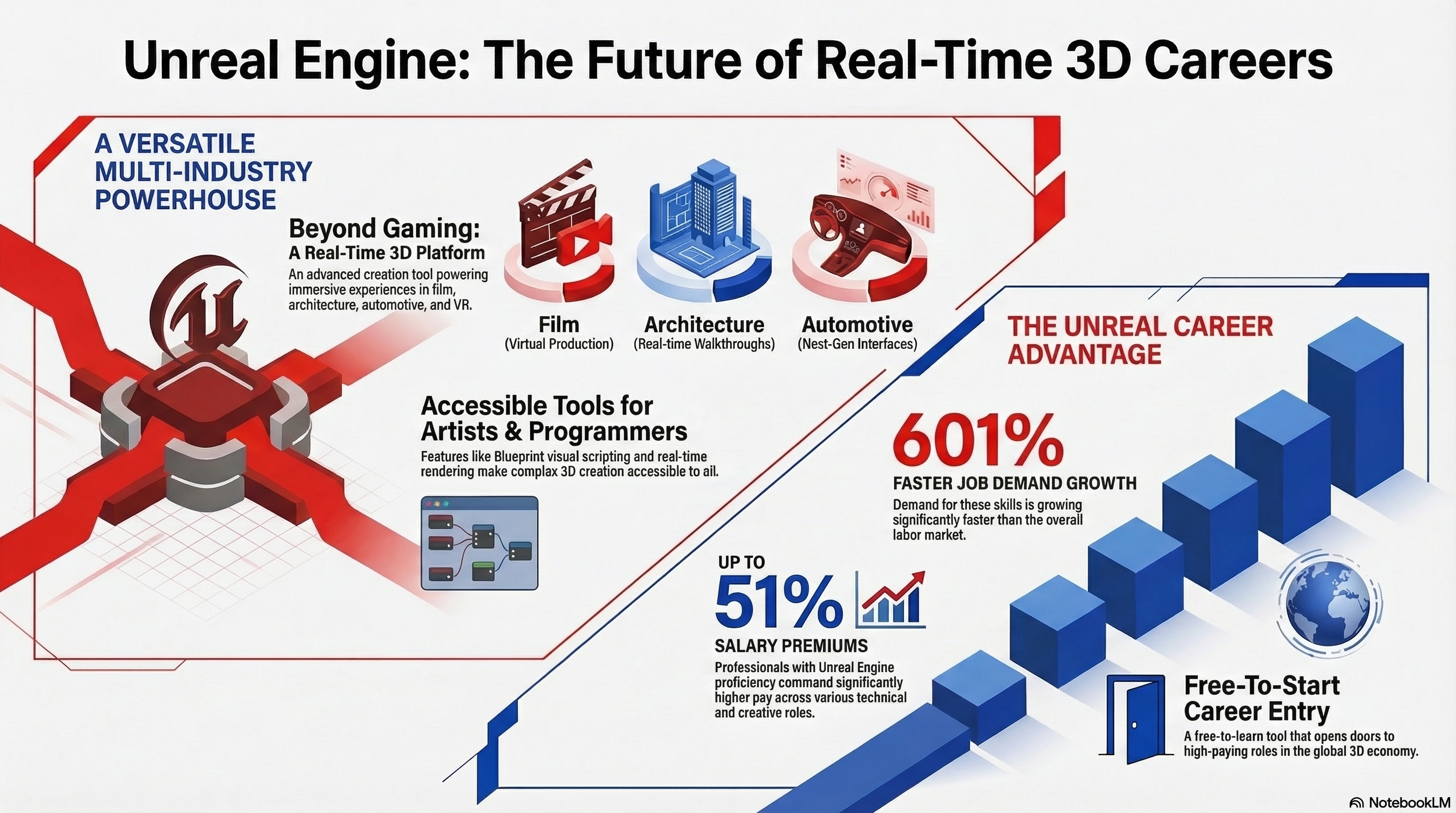
The demand for Unreal Engine game development expertise continues to grow across the entertainment industry. Originally developed for video games, Unreal Engine is now widely used for cinematic production, virtual production, and real-time animation pipelines.
Game studios increasingly expect animators to understand engine-based workflows. Instead of delivering animations as standalone files, artists often implement and test their work directly within game engines to ensure animations respond correctly to gameplay inputs.
To help artists better understand these workflows, iAnimate also provides educational resources such as its article on Unreal Engine fundamentals and how the engine is transforming modern animation pipelines. These resources complement the workshop curriculum by giving students additional insight into how real-time tools are shaping the future of animation and interactive storytelling.
By combining animation expertise with engine-based development skills, artists can expand their career opportunities across multiple industries, including game development, film production, and virtual experiences.